


Kiss Your Dentist Goodbye: Take Control of Your Oral Health
October 16, 2025 | by Genius Vitality

A Patient-Led System to Reverse Cavities and Gum Disease
For decades, many of us have followed the same dental advice: brush, floss, and visit the dentist regularly to fix problems. But what if there’s a different way? A new approach suggests that dental problems are not always set in stone. This system puts you, the patient, in charge of your own mouth health. It aims to prevent and even reverse common issues like cavities and gum disease. This method challenges old beliefs by focusing on your body’s natural defenses and the environment of your mouth.
Challenging Old Dental Ideas
The traditional dental model often acts as a repair service. Dentists fix symptoms by drilling cavities or treating gums. This approach often misses the root cause of problems. Historically, dentistry included harsh treatments. One example is the gingivectomy, a painful cutting and stitching of gums. This procedure only delayed tooth loss and caused pain.
Later, Dr. Black set standards for fillings. This pushed dentistry down a path different from general medicine. Early amalgam fillings, which contained mercury, raised health concerns. People worried about issues like neurological damage. Even today’s white plastic fillings have problems. They act as “plaque magnets,” attracting cavity-causing bacteria to their edges. This means fillings have a limited life. Each replacement can put the tooth at risk for future problems.
Your Mouth’s Secret Weapon: Saliva
If fillings are not a perfect answer, we must focus on what our bodies already offer. Your saliva is your ultimate defense. Think of your teeth like a sturdy coral reef. The reef needs the ocean around it to survive. Your teeth need saliva. Saliva protects, lubricates, and, most importantly, helps your teeth repair themselves. This repair process is called remineralization.
Healthy saliva needs to be slightly alkaline. Its ideal resting pH is around 7.4. At this pH, saliva is full of minerals like calcium and phosphate. These minerals are ready to fix tiny cracks in your enamel. They immediately start repairing and rebuilding your teeth.
What Harms Your Saliva?
Many daily habits can upset your mouth’s natural balance. Frequent eating, constant snacking, or sipping drinks all day long can cause problems. Even plain water, if sipped constantly, dilutes your saliva. This lowers your mouth’s pH.

When your mouth’s pH drops below 7.4, you enter the danger zone. The real threat begins when the pH dips below 6.0. At this point, every tooth surface can lose minerals. It’s like an acid bath for your teeth. This acidic environment helps harmful bacteria, especially Streptococcus mutans, to grow and start the decay process.
The Power Of Mouth Resting
How do you fix your mouth’s pH after eating or drinking? The key is mouth resting. This simple idea means giving your mouth a break after you eat or drink anything other than plain water. Ideally, you should rest your mouth for at least an hour. This allows your saliva to:
- Restore a healthy pH balance.
- Wash away food bits.
- Start the remineralization process.
Constant sipping habits, like drinking coffee all morning, are a challenge. Any liquid with acid, including black coffee, sparkling water, juice, or soda, needs an hour of mouth resting afterward. Shift your habit: drink your beverage within 15 to 20 minutes. Then, follow it with a rest period. Your mouth cannot heal if it is always under acid attack.
Protective Foods to End Your Meals
The goal of ending a meal with protective foods is to naturally cleanse the mouth, neutralize acids, and stimulate saliva production—all crucial steps in fighting the development of cavities and enamel erosion caused by sugary and acidic meal components.
1. Saliva-Stimulating Foods

High-Fiber, Crunchy Fruits & Vegetables: Foods like apples, carrots, and celery act as natural “toothbrushes.” Their crunchy texture and high fiber content require more chewing, which significantly increases saliva flow. They also help physically scrape food debris from the tooth surfaces.
2. Acid-Neutralizing & Mineralizing Foods
Many foods, especially proteins and dairy, can help counteract the acidic environment created by other meal components.
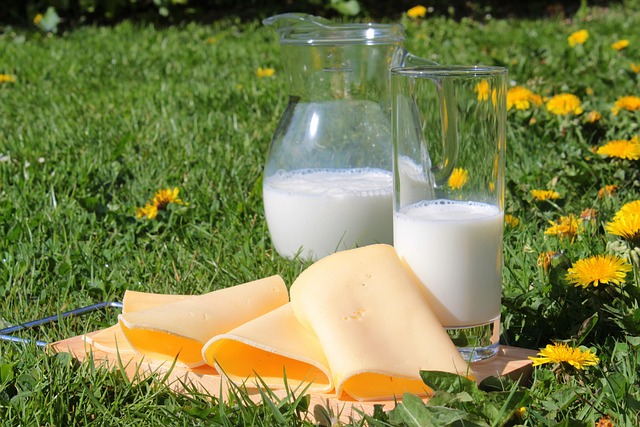
Cheese and Milk: Cheese is perhaps the most famous “protective food” to end a meal. It’s an excellent source of calcium, phosphate, and the protein casein, which all help remineralize tooth enamel. Research suggests that eating a small piece of cheese can rapidly neutralize the acid on the teeth.
Boosting Your Mouth’s Healing with Xylitol
While mouth resting is a great defense, you can also speed up healing. This is where xylitol comes in. Xylitol is a sugar, but it’s not like regular sugar. It’s a “pentose health sugar” with a special five-carbon structure. You can find it naturally in birch trees and some berries.
Xylitol works in two ways:
1. Starves Bad Bacteria: Cavity-causing bacteria, like Streptococcus mutans, try to eat xylitol for energy. But they cannot use its five-carbon structure. This jams their systems, starving them and controlling their growth.
2. Stimulates Saliva: Xylitol also creates a “hygroscopic pull.” This means it draws moisture and stimulates an extra flow of healing, mineral-rich saliva right when you use it.
How to Use Xylitol Daily
Using xylitol is easy and focused. Consume about 1 to 2 grams of 100% xylitol three to five times a day. You can do this by using mints or gum made with pure xylitol. The timing is important: use it right at the end of a meal or snack. This habit turns hours of potential acid damage into hours of active healing. It boosts what your saliva naturally wants to do.
Xylitol’s Wider Health Benefits
The benefits of xylitol go beyond just preventing cavities in your own mouth. They can also help mothers and babies. Studies show that when mothers consistently use xylitol during pregnancy and after birth, it greatly lowers the transfer of cavity-causing bacteria to their infants (Nakai 20101; Soderling 20002). This early action means kids whose mothers used xylitol had 85% to 92% fewer cavities later on. This is a huge, lifelong benefit from a simple, safe habit.

One study in Malawi even found an unexpected benefit. Pregnant women who used xylitol regularly had a lower risk of preterm birth. This links a simple oral hygiene habit to important pregnancy outcomes and infant health.
Reconsidering Common Dental Advice: The Three Fs
Many dental “rules” have been around for a long time. These sources challenge some of these long-held beliefs, calling them “dogma”.
1. Flossing
The idea that flossing is essential for preventing gum disease and cavities is questioned. Investigative journalism by Helen Rumbelow found that the strong advice to floss daily might be based more on decades of agreement than strong scientific proof. Studies tracking people over many years often found little difference in cavity rates or severe gum disease between those who flossed regularly and those who did not.
Many people also do not floss correctly, which can cause harm. For those who manage their mouth’s pH well and use other effective cleaning methods, the added benefit of flossing might be small. Flossing is good for removing large food pieces. However, it may not be the main weapon against the tiny bacterial film we once thought it was.
2. Fillings
This point connects to the criticism of constantly drilling and filling. The advice here is surprising: delay treatment for small cavities. This sounds risky, but it’s based on how teeth are built. Drilling, even carefully, changes the tooth’s natural design. A tooth’s original structure helps it handle biting forces. Once cut, these forces travel differently. This can lead to problems like tiny cracks or even the nerve inside the tooth dying later.
Also, white fillings often need replacing every 10 to 15 years. Each replacement removes more tooth structure, further risking the tooth’s long-term survival.
However, delaying treatment is conditional. It is only advised for very small, early-stage cavities. The person must fully commit to a complete home care system. This means managing pH, using xylitol, and specific rinses. The goal is to change the mouth’s environment first. Reduce bacteria, keep the pH high, and give saliva the minerals it needs. If you do this, your tooth has a chance to naturally remineralize. A healed natural tooth surface is always better than any artificial material.
3. Fluoridation
Fluoride is a hot topic. Dr Ellie Phillips offers a clear view, separating systemic intake (like drinking fluoridated water) from topical use (like in toothpaste or rinses).
- Systemic Intake: The main concern with drinking fluoridated water is the risk of fluorosis. This is especially true for young children under 6, while their permanent teeth are still forming. Systemic ingestion can cause white or brown spots on the enamel. So, be careful with ingesting fluoride during these key years.
- Topical Use: Using a dilute sodium fluoride solution topically, such as a 0.05% ACT rinse, is strongly supported for adults and children over six. This local application directly helps remineralization. It strengthens weakened or damaged enamel right where it’s needed. You get the chemical benefit without the risk of much systemic absorption from drinking it. The idea is to use fluoride smartly, not just generally.
The Complete Mouth Care System
To put these ideas into practice, follow a specific daily routine. The steps are designed to get the most out of each protective and remineralizing action. Full details of the protocol are registered on https://drellie.com/
The Daily Routine
1. Chlorine Dioxide Rinse (Before Brushing):
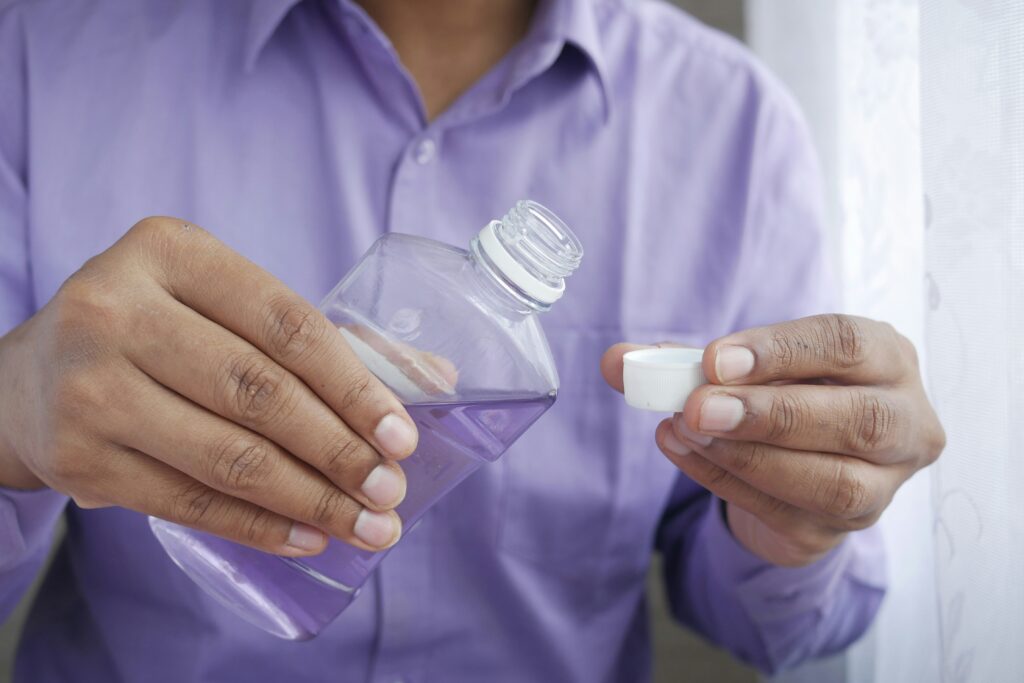
- Start with an unflavored chlorine dioxide rinse (brands like Closys Ultra Sensitive or Ultradex).
- This rinse oxidizes volatile sulfur compounds, which cause bad breath.
- It also quickly stabilizes your mouth’s pH.
- This step preps your mouth by neutralizing bad bacteria and making surfaces ready for fluoride.
2. Brushing with Specific Toothpaste:

- Brush with Crest Regular Cavity Protection paste. This version contains 0.243% sodium fluoride.
- Avoid toothpaste with glycerin. Glycerin is common in many toothpastes. However, it is sticky. It might create a barrier on your enamel. This barrier could stop calcium and phosphate from your saliva from entering the tooth. The goal is to clean and deliver fluoride without blocking natural repair.
3. Two-Part Rinsing (After Brushing):
- After brushing and spitting out toothpaste (do not rinse with water):
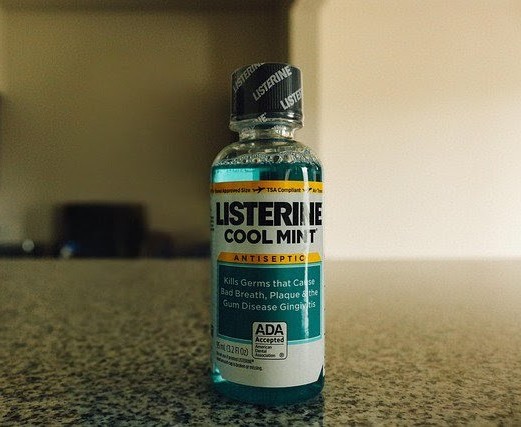
- First, use an antimicrobial mouthwash like Listerine (look for Original or Cool Mint Listerine). Swish it around.
- Immediately after, follow with ACT Anticavity 0.05% sodium fluoride rinse. Swish and then spit.
- This sequence allows the rinses to work together. Listerine cleans more bacteria, and then the ACT rinse puts a final protective layer of fluoride on clean enamel.
- Do not eat or drink for at least an hour after this final step.
The Final Word: Take the Power Back
Oral health is not just about your teeth and gums. The mouth is a vital entry point to your overall health.3 What happens in your mouth affects your circulation, inflammation throughout your body, and even brain function.
The journey to superior oral health isn’t paved with complicated fixes; it’s built on a foundation of awareness and consistent daily habits. By understanding the critical role of your saliva’s pH balance, you gain the ultimate defense system against decay and disease. You no longer have to live in fear of the drill. The core principles are simple, powerful, and now in your hands:
- Master the Rest: Embrace mouth resting for at least an hour after eating or drinking to allow your saliva to restore its healing, alkaline balance.
- Harness Protection: End every meal or snack with protective foods like cheese or a crunchy apple to neutralize acid and stimulate cleansing saliva.
- Activate Healing: Incorporate the strategic use of Xylitol to starve harmful bacteria and turbocharge your mouth’s ability to remineralize.
By diligently following this system—from your morning rinse to the simple act of choosing a protective food over a sugary dessert—you are moving from a patient who waits for problems to a person who actively prevents them. This is how you reclaim control, reverse damage, and minimize the need for invasive dental work.

Take this knowledge and transform your oral environment from a battleground into a self-healing sanctuary. The time has come to stop fixing your teeth and start healing them. Begin today, and finally, keep the promise of the title: Kiss Your Dentist Goodbye by taking control of your oral health for life.
References
- Nakai Y, Shinga‐Ishihara C, Kaji M, Moriya K, Murakami‐Yamanaka K, Takimura M. Xylitol gum and maternal transmission of mutans streptococci. Journal of Dental Research 2010;89(1):56‐60. [DOI] [PubMed] [Google Scholar] ↩︎
- Söderling E, Isokangas P, Pienihäkkinen K, Tenovuo J. Influence of maternal xylitol consumption on acquisition of mutans streptococci by infants. Journal of Dental Research 2000;79(3):882‐7. [DOI] [PubMed] [Google Scholar] ↩︎
- Liljestrand JM, Havulinna AS, Paju S, Mannisto S, Salomaa V, Pussinen PJ. Missing teeth predict incident cardiovascular events, diabetes, and death. J Dent Res. 2015;19 doi: 10.1177/0022034515586352. [DOI] [PubMed] [Google Scholar] ↩︎