


Is Estrogen Making You Age Faster? The Ray Peat Theory Explained
January 1, 2025 | by Genius Vitality

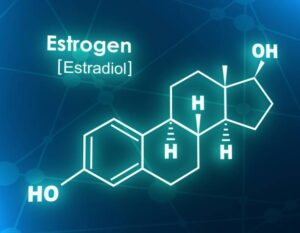
What if everything you thought about aging was wrong? Imagine if a hormone we’ve always seen as vital, especially for women, was actually speeding up how we get older. This idea challenges what many believe about health, hormones, and longevity. We are diving into a powerful theory that puts estrogen at the center of the aging process. It suggests that aging is not just a genetic problem. Instead, it is the result of damage from lifelong exposure to “estrogenic stressors.” This concept could change how you think about your body and your future health.
The Surprising History of Estrogen
Understanding estrogen means looking at its past. Estrogen is not just one substance. It is a term for a group of substances that act like estradiol in the body. Before the 1940s, scientists saw estrogen differently. They knew it could have toxic effects. These included abnormal blood clots, problems with getting pregnant, and even links to cancer. Researchers were careful about estrogen.
Then, things changed. Drug companies began to sell estrogen widely. They used an older idea that aging comes from a lack of something. Despite early warnings about its side effects, estrogen was aggressively marketed as the solution to menopause, aging, and femininity. This led to decades of hormonal mismanagement, often at the expense of women’s long-term health.
Estrogen Dominance and the Aging Process
The core idea is simple: aging itself might be a result of too much estrogen. Many signs of aging, like tissues becoming hard, losing function, and general decline, look like what happens with long-term estrogen excess. Studies show that as people and other living things get older, their estrogen levels can go up. Or, the balance between estrogen and other hormones like progesterone can shift. The signal from estrogen gets stronger over time.
In a healthy menstrual cycle, progesterone should be up to 100x higher than estrogen during the luteal phase.
Fun Fact: Estrogen can accumulate in tissues even when your blood levels are “normal.” This hidden overload makes progesterone deficiency harder to spot.
How Estrogen “Steals Oxygen” from Your Cells
This theory goes deep into how cells work. It claims estrogen acts like an “oxygen thief.” Estrogen interferes with the mitochondria. Mitochondria are the power plants inside your cells. They make the energy your body needs.
Here’s how this “theft” happens:
- Estrogen causes something called futile redox cycling. Imagine a car with its wheels spinning fast but not moving forward.
- Your cells burn oxygen quickly, but they do not make useful energy (ATP).
- Instead, they create wasted heat and stress.
This means a cell can have plenty of oxygen around but still suffer from a lack of energy. It is like the cell is suffocating from the inside.
The Cell’s Response to Stress
When cells face this constant stress from estrogen, they must adapt. This adaptation is not good for your health.
- Cells start making lactic acid.
- They create many free radicals. These are damaging molecules.
- Lipid peroxidation products appear, which means fats inside the cell turn rancid.
This creates a highly damaging state. If this stress continues, the body or tissue adopts a survival plan. It slows down and lowers its energy needs. This state is called parabiosis, like being partly alive. We see similar states in clinical depression or animals that show “learned helplessness.” Serotonin, a brain chemical, is also linked to estrogen and this kind of system-wide shutdown.
Infertility and Tissue Breakdown
The problems caused by estrogen dominance can be seen throughout the body. Infertility is a powerful example. In some cases linked to too much estrogen, the uterus becomes overstimulated. It uses oxygen so rapidly, almost like it is inflamed, that a newly implanted embryo cannot survive. The environment becomes hostile.
This failure to keep an embryo alive is similar to how other tissues in the body, like the heart, muscles, and brain, lose function during aging. It is the same pattern:
- Resources are used up quickly.
- Tissues fail.
This also explains changes in body shape as we age. We lose muscle mass. Our body uses up glycogen stores, which are our quick energy reserves. Protein production slows down, and free radicals build up. It is like the body is told to sacrifice its active, energy-hungry tissues.
Connective Tissue and Stiffness

Aging also brings wrinkles and stiffness. This theory points to connective tissue, especially collagen. Both aging and too much estrogen make collagen harder and cause it to shrink. Imagine a pork chop cooking and curling up. The idea is that stress and a lack of energy make collagen fibers shrink and get stiff. So, wrinkles and stiff joints might be tissues physically contracting under stress. This contraction also affects blood vessels, making them narrower and stiffer. This is a big cause of heart and blood vessel problems.
The Circulation Paradox
Many people believe estrogen helps blood vessels relax and improves circulation. This often involves nitric oxide. However, this theory disagrees. It argues that nitric oxide is not just a relaxant. It is also a toxic free radical. It plays a role in diseases like atherosclerosis, which hardens arteries.
While larger arteries might show faster blood flow, this does not mean better circulation everywhere. If the tiny blood vessels deep inside tissues are squeezed shut due to an energy crisis, faster flow in the main arteries might simply show resistance, not better blood delivery where it truly matters.
Progesterone: A Different Kind of Circulation Support
In contrast, progesterone appears to work differently. Studies show that while estrogen can lower oxygen and blood flow in tissues, progesterone does the opposite. It seems to increase blood flow into tissues. It supports circulation in a way that is helpful, not like a stress response.
Estrogen and the Body’s Stress Response
The effects of estrogen dominance connect directly to the body’s general stress response, similar to what Hans Selye described as “shock.”
- Swelling (Edema): Water moves out of the blood and into tissues.
- Slack Veins: Veins lose their firmness. Blood collects in the arms and legs instead of returning well to the heart.
This pooling leads to issues like varicose veins and feeling dizzy when standing up quickly (orthostatic hypotension). These are common in older adults and are linked to too much estrogen. The body effectively gets stuck in a sluggish, shock-like state.
Bone Health: A New Perspective
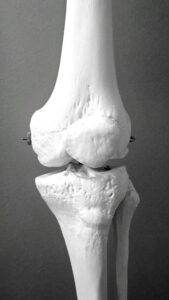
The standard view is that losing estrogen causes osteoporosis. But this theory brings up an interesting point: most bone loss happens at night. At night, cortisol, our main stress hormone, is usually highest. Progesterone is often at its lowest, but estrogen levels can still be relatively high. If estrogen truly protected bones, why would bone loss speed up during this time?
This view suggests that progesterone is the true protector of bones. Progesterone helps keep glycogen stores full. These are our quick energy reserves needed for metabolism, especially overnight. Good energy availability helps reduce the effects of stress. So, by supporting energy and opposing the shock state, progesterone might be key for strong bones.
Reclaiming Control: An Anti-Estrogenic Strategy
If we accept that aging is linked to estrogen dominance and a state of chronic stress and oxygen deprivation, then our approach must change completely. The new strategy focuses on:
- Reducing stress.
- Improving energy metabolism.
- Countering estrogenic effects.
Progesterone is seen as a key player here. It is called the “most perfect anti-estrogenic hormone.”
- Boosts energy: Progesterone helps cells use oxygen correctly to make energy. This directly fights the “oxygen theft.”
- Protects tissues: It helps protect against tissue breakdown.
- Opposes angiogenesis: It helps stop the growth of new, often leaky and inefficient blood vessels that appear in low-oxygen states.
Practical Steps for Nighttime Stress
The body’s inflammatory, shock-like state gets worse in the dark when cortisol levels rise. The theory suggests managing this actively, especially at night, using sugar and salt. This goes against common health advice, but the reasoning focuses on fighting shock.
- Simple sugars give quick, clean energy to fight the energy deficit.

- Salt helps maintain blood volume. It pulls water back into the blood, fighting the swelling and blood pooling of the shock state.

This helps keep things flowing and reduces the nighttime stress response. Thyroid hormone is also important. It helps maintain enough carbon dioxide (CO2). CO2 helps relax blood vessels and supports efficient energy use.
5 Steps to Rebalance Your Hormones Naturally
- Get your levels tested: Ask for progesterone, estrogen, and thyroid labs.
- Support your liver: Vitamins B6, E, and magnesium help clear excess estrogen.
- Hormone-supportive foods:
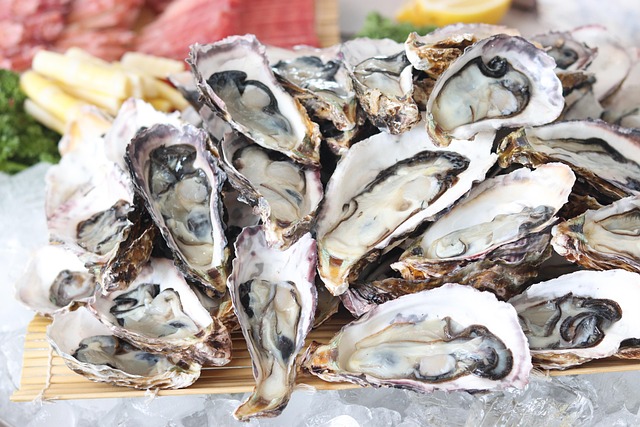
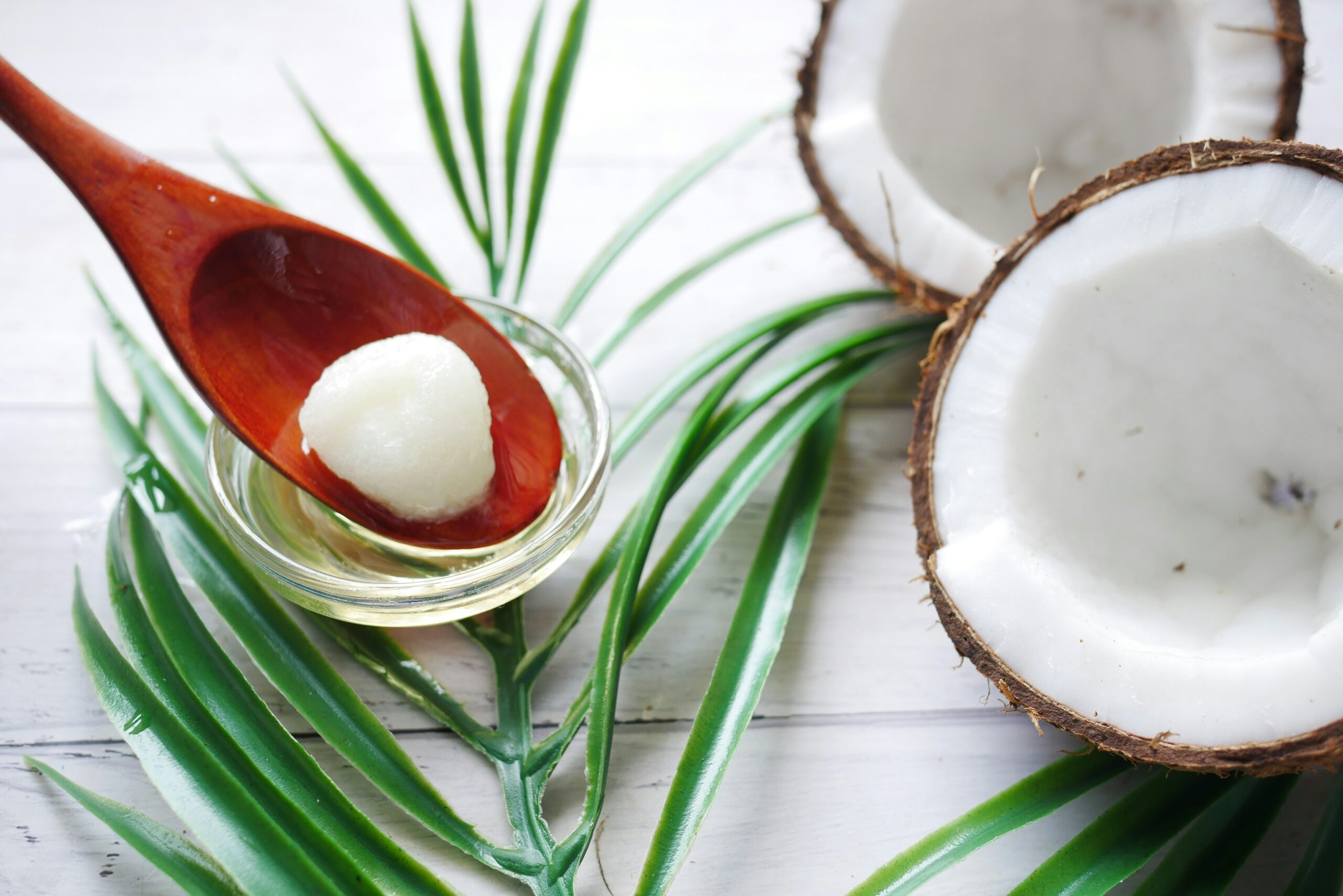 Eat enough protein, carbs, and saturated fats to fuel progesterone production. Think coconut oil, eggs, fruit, gelatin, and liver.
 - Reduce estrogen exposure: Avoid plastics, soy, and synthetic fragrances.
- Consider natural progesterone: Under medical guidance, bioidentical progesterone can help restore balance.
Final Thoughts
Aging isn’t just about getting older—it’s about how your body adapts to stress. Estrogen, when unopposed, can push your cells into survival mode. Progesterone, on the other hand, helps them thrive. Understanding this hormonal interplay could be the key to aging with energy, clarity, and grace.
Let’s change the way we age—starting from the cellular level.
Want to dive deeper into the original research? You can explore Ray Peat’s full article.